Rafting Expeditions on the Firth River in Canada's Yukon Territory
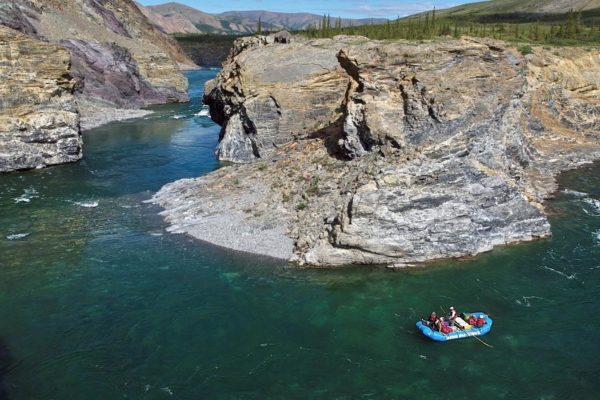
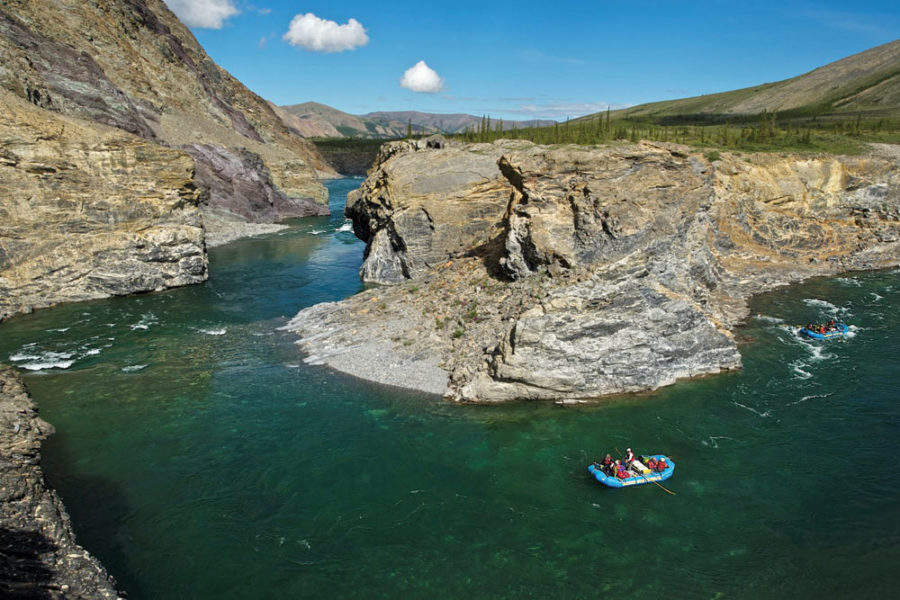
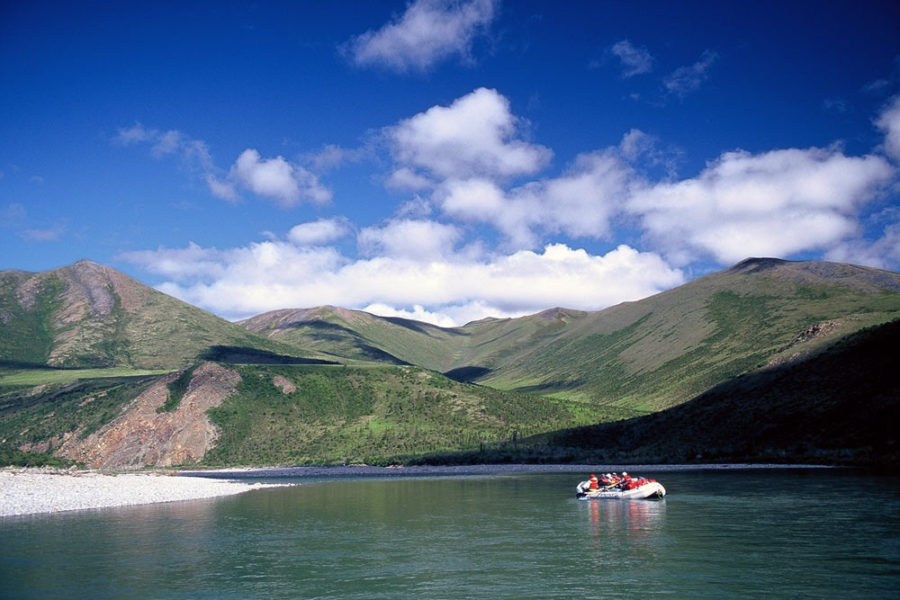
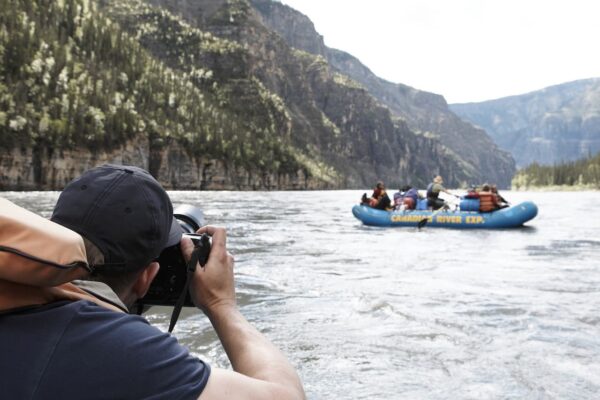
Join us on an incredible rafting journey down the Firth River for an enchanting, scenic passage to the arctic tundra plains and the Beaufort Sea.
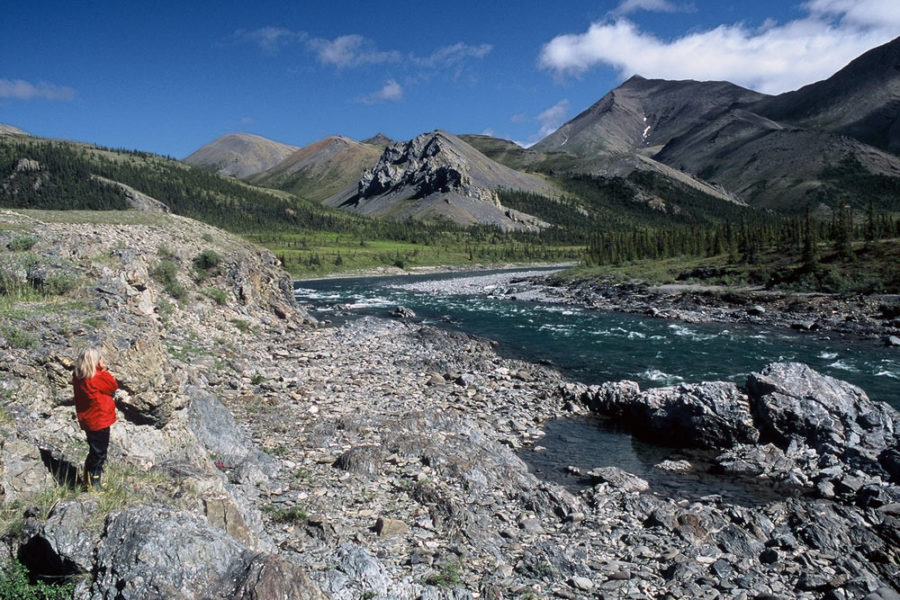
The Firth River connects the British Mountains to the the Arctic Ocean, lies deep within the northern Yukon, adjacent to Alaska, and bisects Ivvavik National Park.
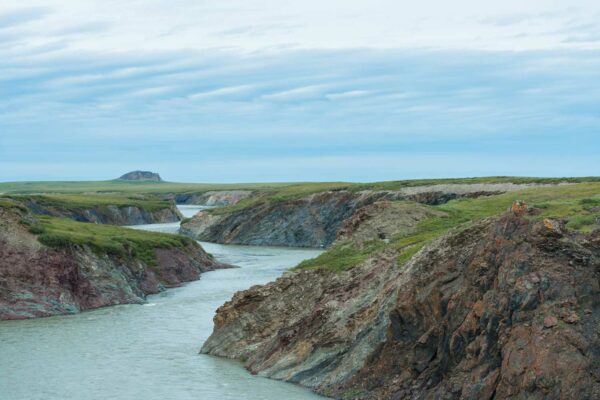
- The Firth River flows through the most diversely dramatic landscape in the high arctic from the British Mountains to the Beaufort Sea
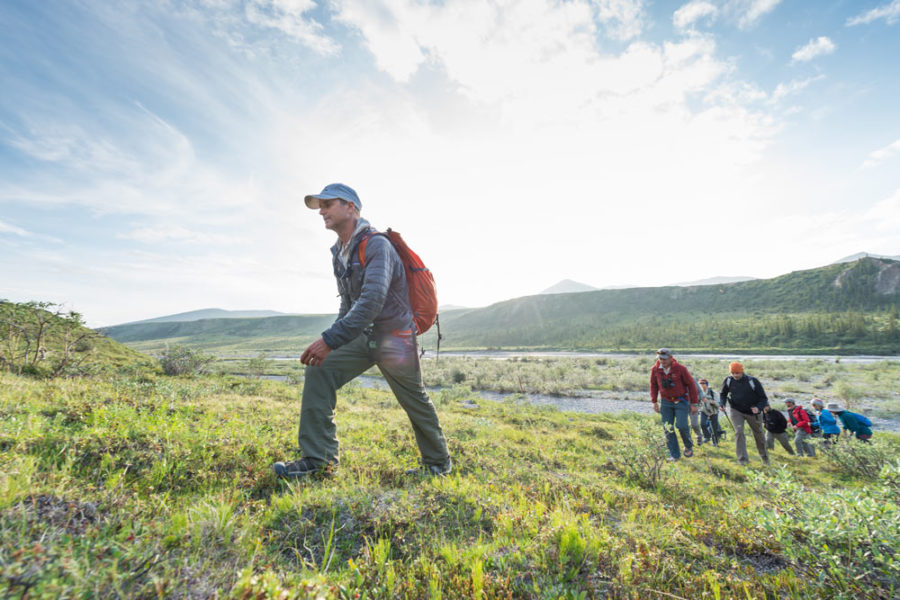
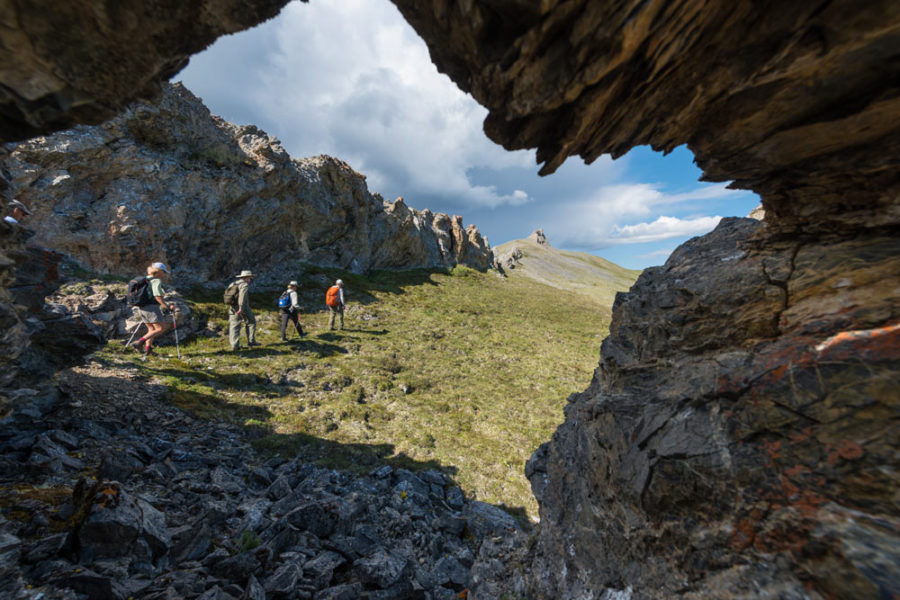
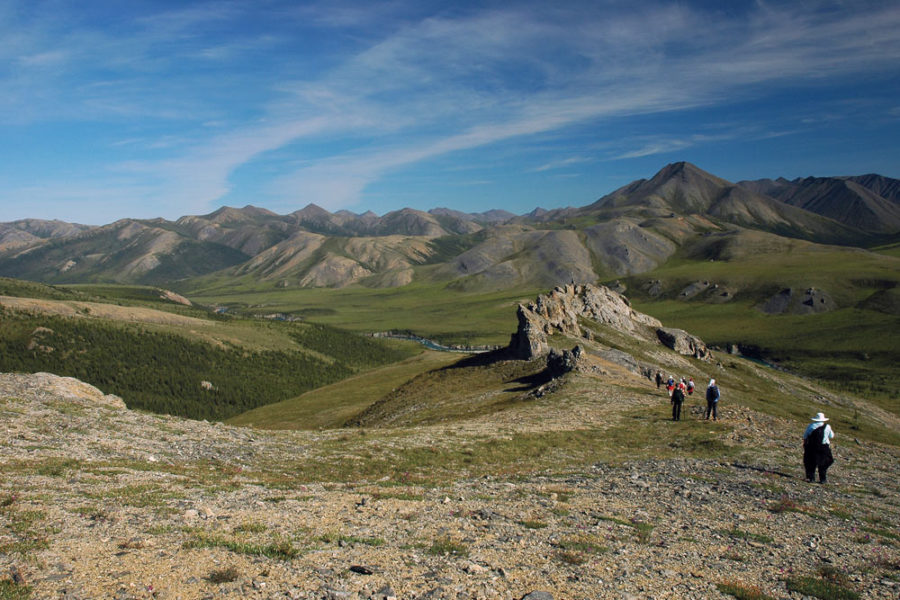
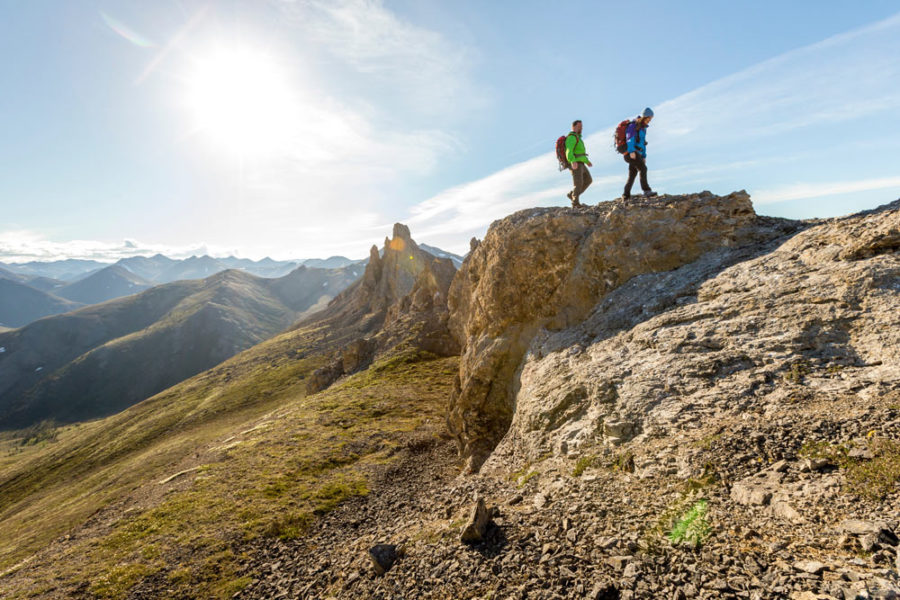
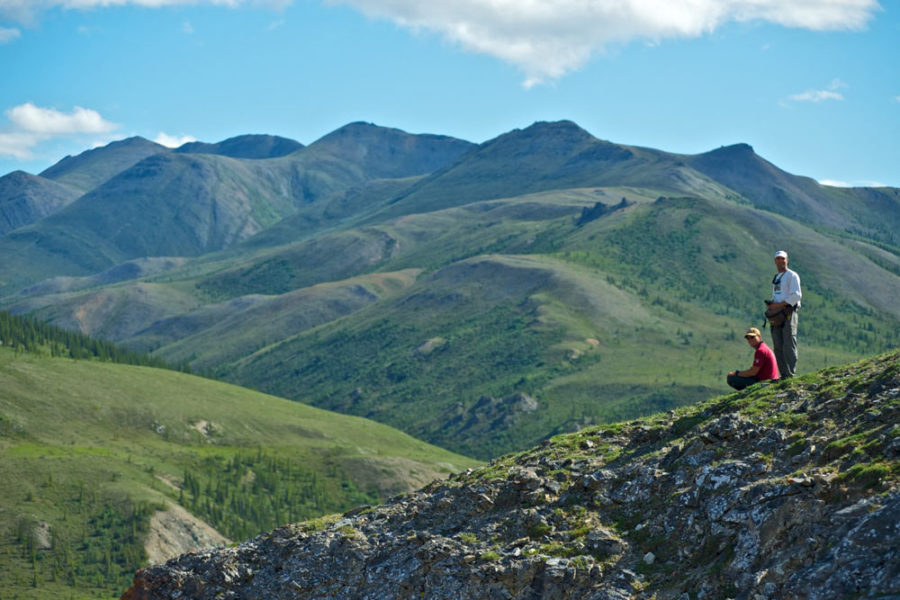
- Fantastic hiking through stunning wildflowers
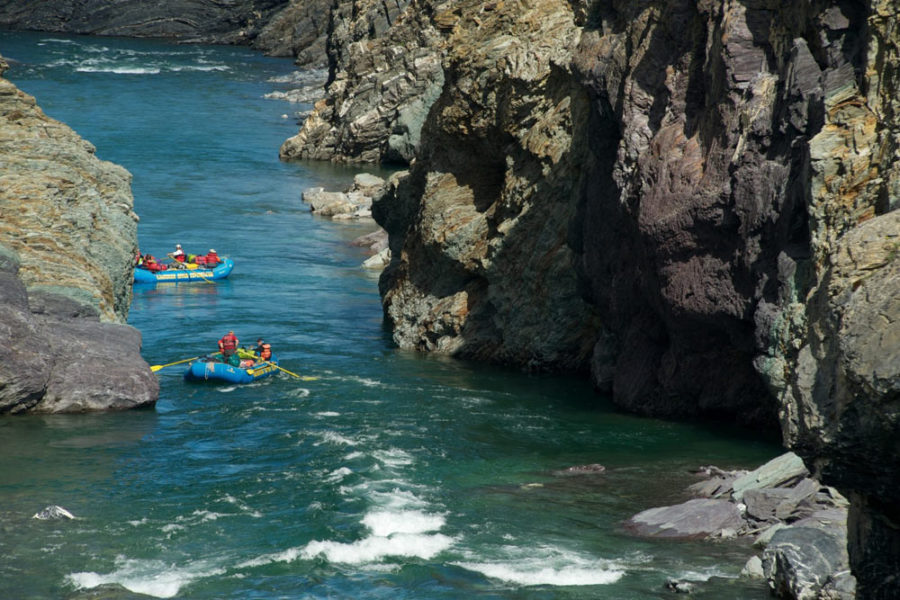
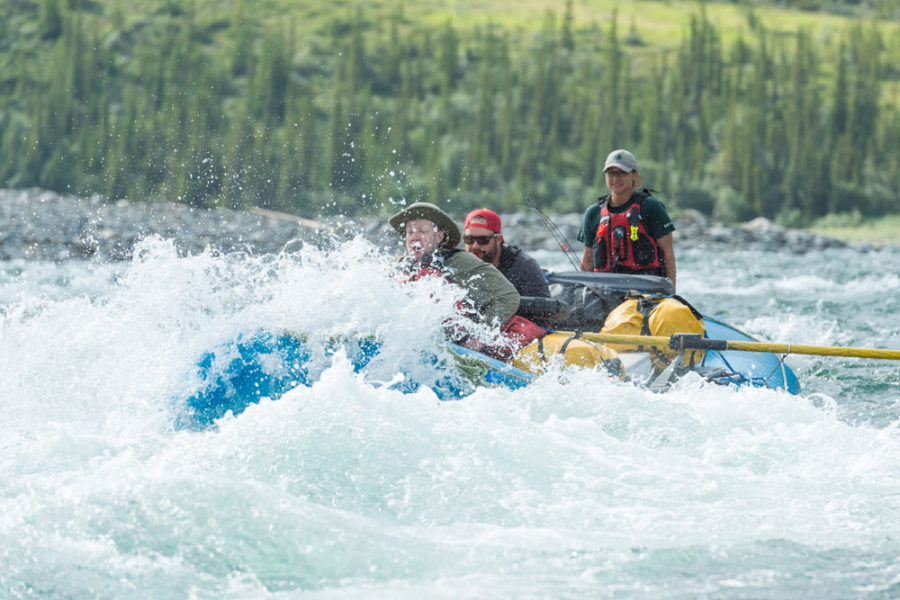
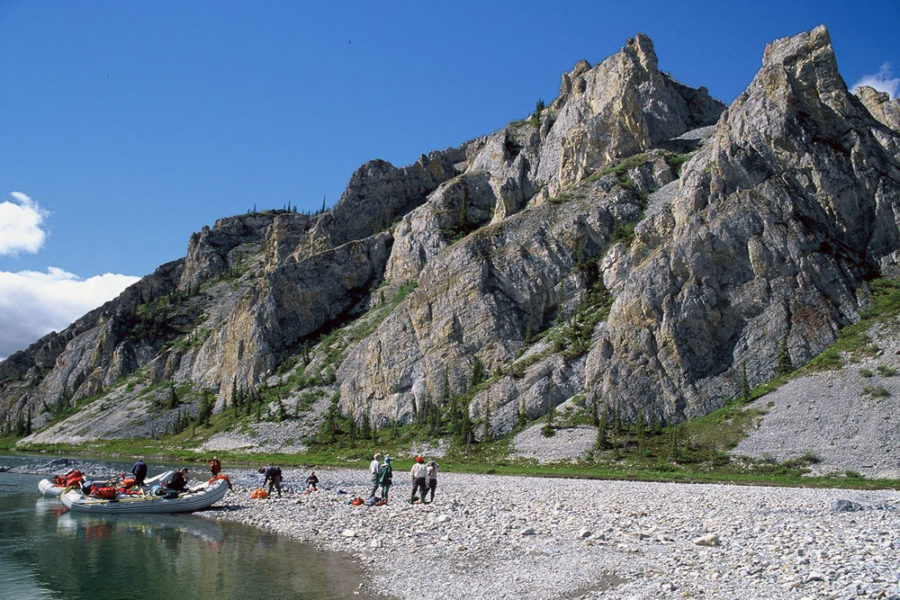
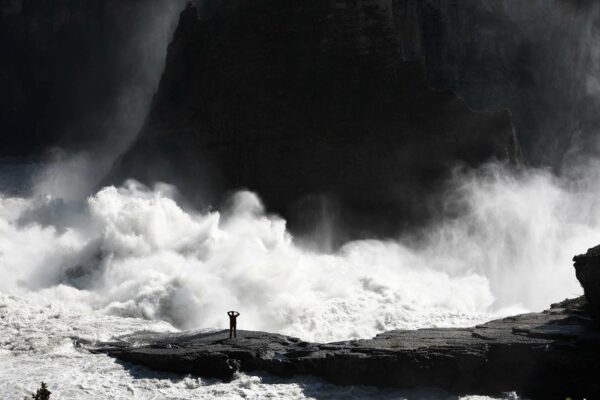
- Tremendous whitewater in shallow canyons that cut through the tundra to the Arctic Ocean
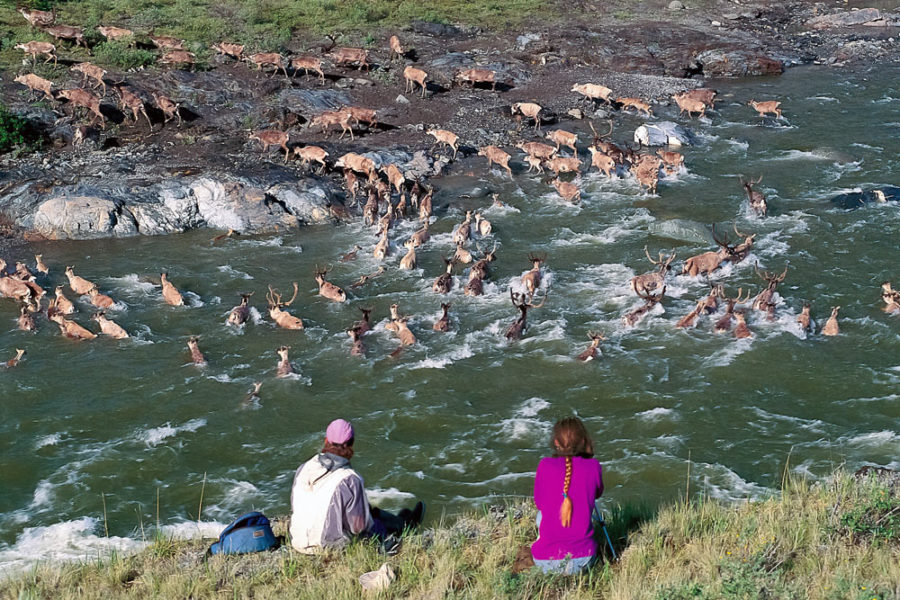
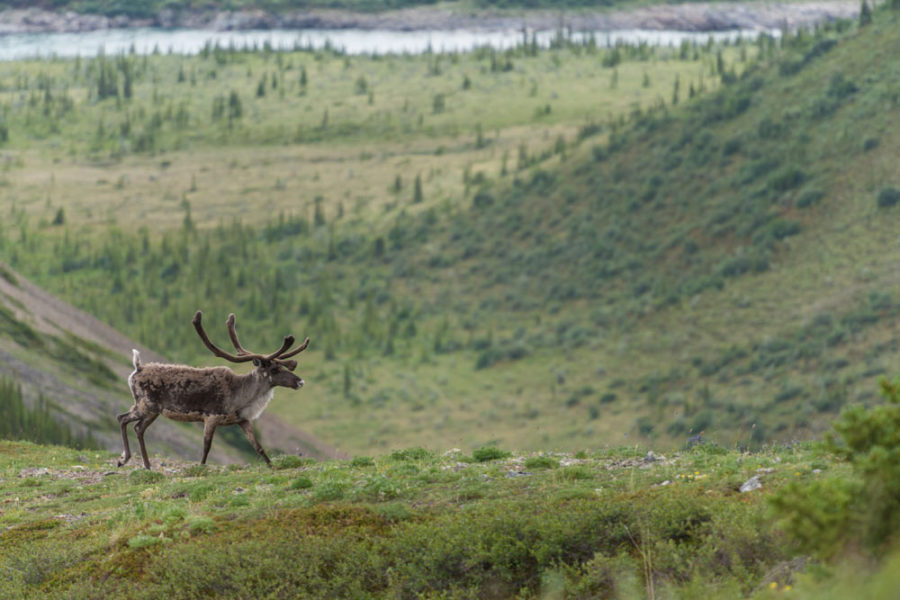
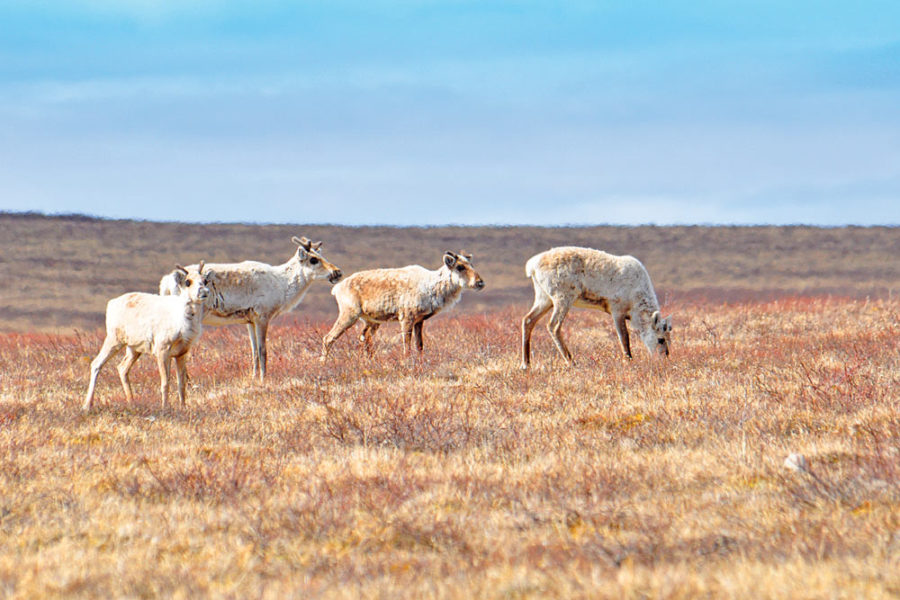
- Adjacent to the Arctic National Wildlife Refuge (ANWR) and on the migration route of the famed Porcupine caribou herd (over 200,000 strong!)
- Traditional territory of the Inuvialuit people
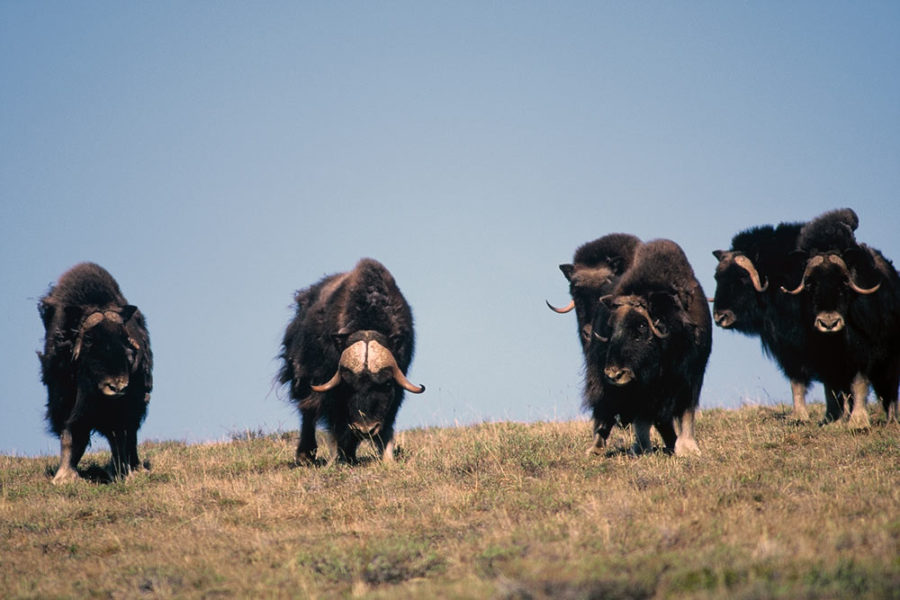
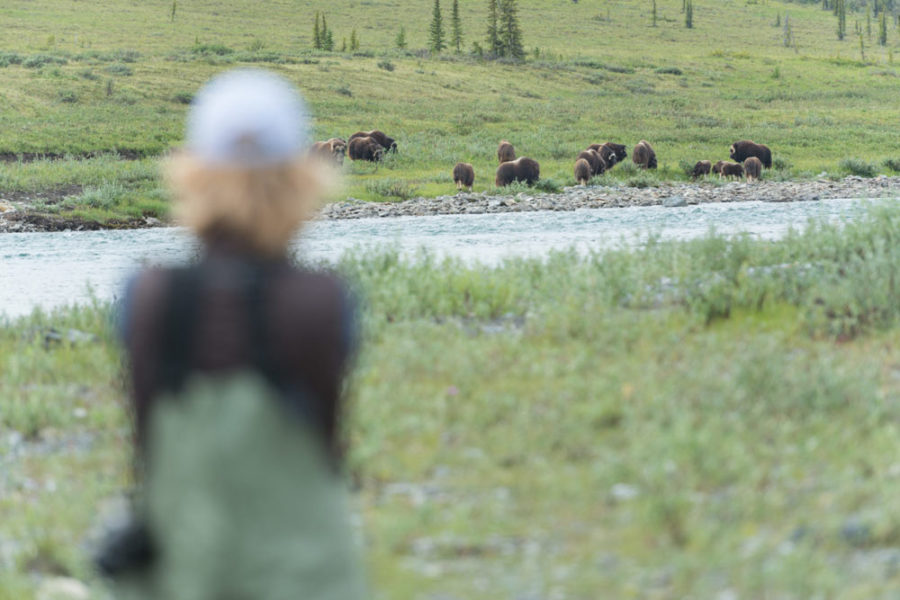
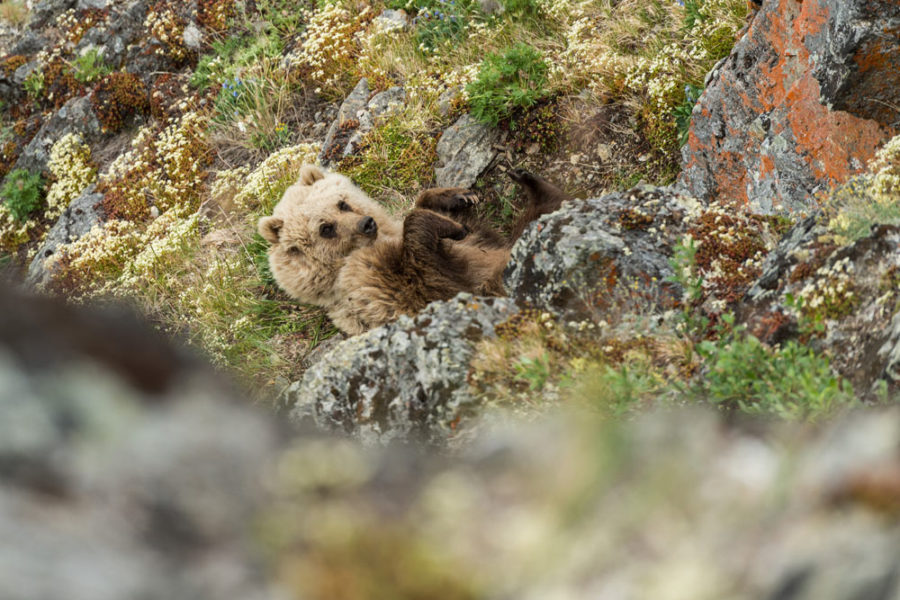
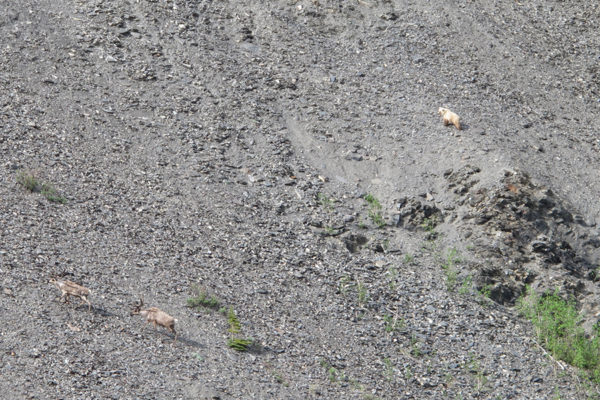
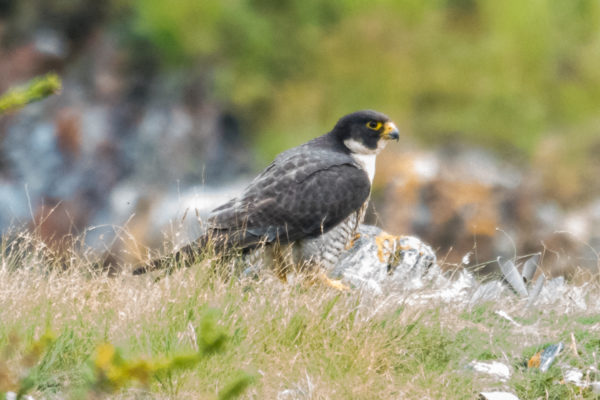
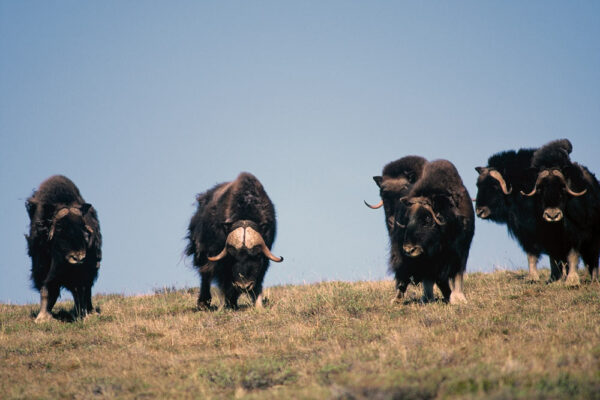
- Home to the most northerly herd of Dall sheep in the world as well as muskox, caribou, wolves, fox, grizzly and raptors
- One of the oldest rivers on the continent
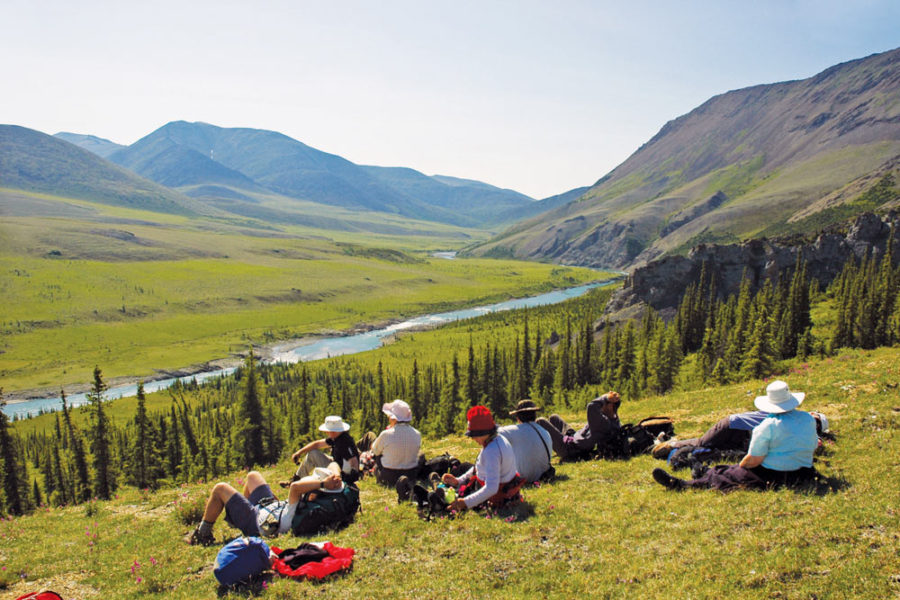
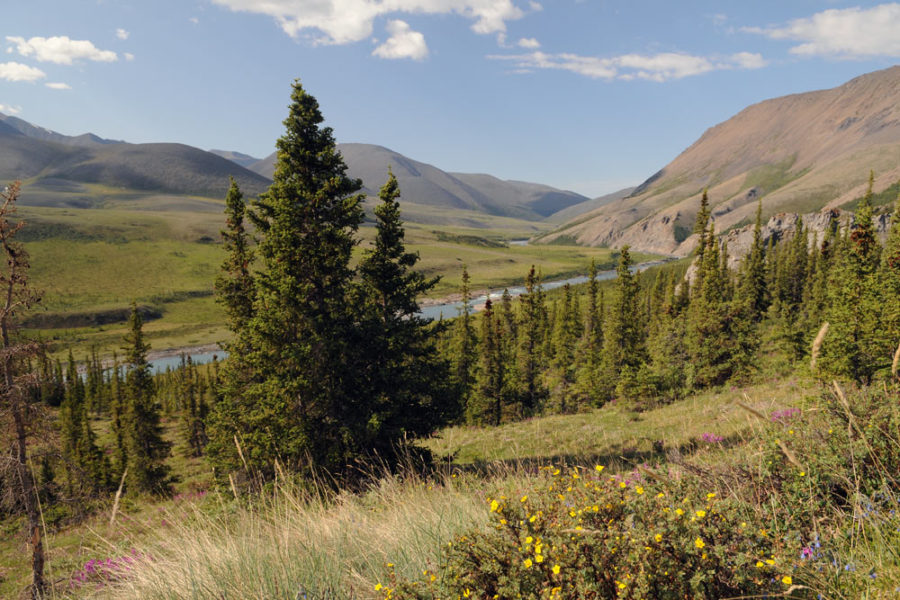
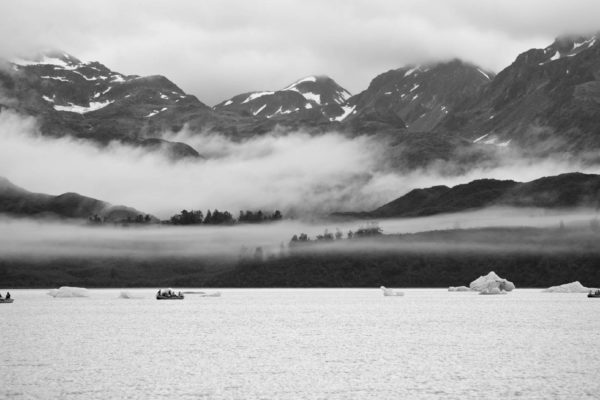
The area surrounding the Firth is a land of contrasts–forest and tundra, craggy peaks and alpine meadows, wild coastline and ice-filled seas. Wildlife roams unimpeded here with a diversity unrivalled elsewhere in Canada. Barren-ground caribou, mountain sheep, moose, muskoxen, grizzly bears, wolves and wolverines, and a wide variety of bird species all make their home in this arctic habitat. In the long sun soaked days of our northern summer, travel and explore by raft. Our knowledgeable and enthusiastic guides will help you better understand the geology and wildlife, adding to a fascinating journey through the wild and remote landscape.
Ivvavik National Park
The region surrounding the Firth River on the Arctic slope was designated Ivvavik National Park in 1984. This designation was timely as there had been a number of major industrial development proposals for the area. The last proposal – the Arctic Gas Pipeline – was rejected by the government of Canada after the Berger Inquiry of 1977. Justice Thomas Berger eloquently wrote:
“The Northern Yukon is an arctic and sub arctic wilderness of incredible beauty, a rich and varied ecosystem: nine million acres of land and animals… a place of contrasts, of an explosively productive but brief summer and of a long hard winter, of rugged mountains and stark plains. Its teeming marshes and shore lands give it a beauty equalled by few other places on Earth.”
Porcupine Caribou Herd
We will traverse this exceptional area by rafting the Firth River from the British Mountains to the Beaufort Sea, following the Arctic coast to historic Herschel Island. This section of the Yukon has been recognized by Parks Canada as “an area of spectacular scenery and exceptional ecological significance,” in large part due to the famed Porcupine Caribou herd. Close to 20,000 animals migrate through this region to and from their calving grounds on the coastal plain of Alaska and the Yukon. After calving in June, they start to congregate in huge herds and migrate westward, crossing the Firth River. At this time, the migration provides a spectacle that is unsurpassed in North America. Occasionally passage down the river coincides with this migration. At this time of year much of the vegetation is in bloom and wild flowers carpet the tundra and hillsides. Different types of vegetation give the landscape a unique patchwork quality.
Fishing on the Firth River
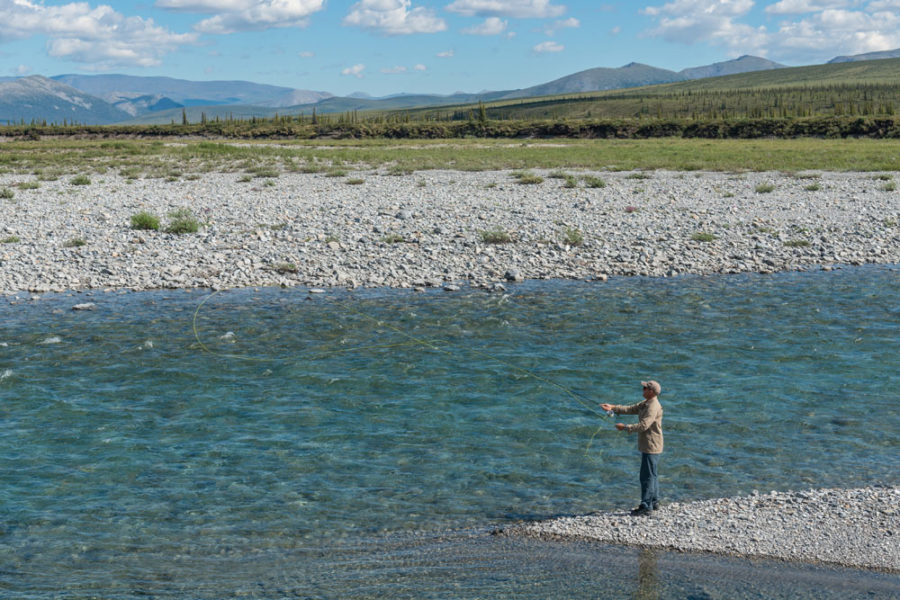
Dolly Varden and Arctic Grayling are both abundant on the Firth. If you are intending to fish, you will need to obtain a national park fishing licence from the National Parks office in Inuvik.
Weather on the Firth River
Weather in the region is typically good, with clear skies and temperatures that range from 10 -30 degree C (50 – 86 degree F). Weather changes can however, plunge temperatures to near freezing and rainfall and snow may occur. The Beaufort Sea pack – ice creates fog that can very easily blow on to the coast, limiting flying conditions. This is the Arctic and an Arctic climate is never predictable, even in the summer. Come prepared for all extremes and just note that this can impact our timetables and travel plans.
The region surrounding the Firth River on the Arctic slope was designated Ivvavik National Park in 1984. This designation was timely, as there had been several major industrial development proposals for the area. The last proposal–the Arctic Gas Pipeline–was rejected by the Government of Canada after the Berger Inquiry of 1977.
Justice Thomas Berger eloquently wrote:
“The Northern Yukon is an arctic and sub arctic wilderness of incredible beauty, a rich and varied ecosystem: nine million acres of land and animals . . . a place of contrasts, of an explosively productive but brief summer and of a long hard winter, of rugged mountains and stark plains. Its teeming marshes and shore lands give it a beauty equalled by few other places on Earth.”
Want to know more about rafting the Firth River? You’ll find lots of great resources about the Firth River in our blog.